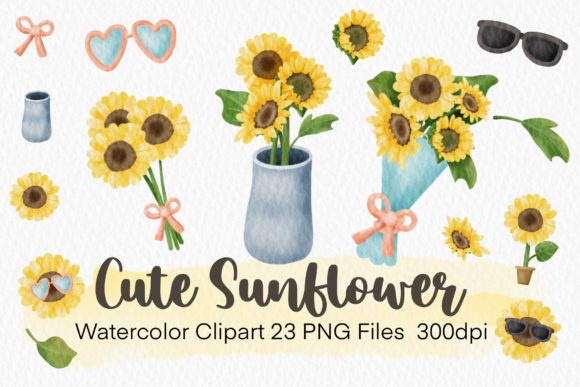
Cute Sunflower Watercolor Clipart for Illustrations
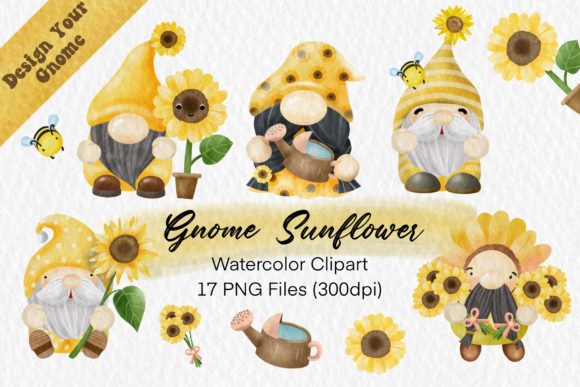
As a digital publisher who has spent years refining the visual identity of multiple content websites, I approach every new graphic design asset with a critical eye. It is not enough for an image to be pretty; it must perform. When I first opened the files for Cute Sunflower Watercolor Clipart, my immediate impression was one of warmth and approachability. In the crowded landscape of modern web design, where minimalism often dominates, there is a distinct power in soft, organic textures that invite the reader in. This collection does not just offer flowers; it offers a specific editorial mood that feels lifestyle-focused, feminine, and undeniably cheerful.
For bloggers and content creators, the psychological impact of visuals cannot be overstated. These watercolor elements create an instant sense of trust and creativity. They signal to the audience that the content behind the image is thoughtful and human-centric. Whether you are running a personal development blog, a gardening niche site, or an educational platform for young learners, this style naturally supports niches that value growth, positivity, and natural beauty. The soft edges and blended hues of the sunflowers provide a gentle contrast to the sharp pixels of our screens, making the content feel more tactile and authentic.
Integrating Assets into a Real Publishing Workflow
The true test of any design asset is how it fits into a daily publishing workflow. I envision using Cute Sunflower Watercolor Clipart across a wide spectrum of deliverables. For blog graphics, these illustrations serve as perfect featured image overlays. By placing a translucent white box over a high-quality background photo and accenting it with a watercolor sunflower corner, you create a branded header that stands out in feed readers.
Beyond the blog post itself, these assets are invaluable for social media graphics. Imagine creating a series of Pinterest pin designs where the sunflower acts as a frame for your headline text. The organic shape draws the eye without competing with the typography. For newsletter creators, these clips can transform a plain text email into a visually engaging experience. A simple sunflower banner at the top of a weekly digest adds a touch of professionalism and consistency that subscribers appreciate.
Furthermore, for those selling digital products, such as eBooks or planners, these illustrations can elevate cover designs and internal page layouts. They work exceptionally well in Canva template kits designed for life coaches or teachers. If you are building a digital guide or a lead magnet like a checklist or worksheet, incorporating these watercolor elements makes the downloadable resource feel like a premium product rather than a generic PDF. This perceived value is crucial for converting visitors into email subscribers.
Enhancing Visual Hierarchy and Brand Identity
Incorporating Cute Sunflower Watercolor Clipart strategically can significantly improve your site's visual hierarchy. When used as section dividers or bullet points within a long-form article, they break up walls of text and guide the reader's eye down the page. This improves readability and keeps the user engaged for longer periods. Consistent use of these specific illustrations helps build a recognizable brand identity. Over time, your audience will associate the specific style of these sunflowers with your voice and expertise.
From an affiliate marketing perspective, trustworthy visuals lead to higher click-through rates. When your review posts or product roundups look polished and cohesive, readers are more likely to trust your recommendations. Using these assets in your media kit also presents your blog as a professional entity to potential sponsors. It shows that you care about editorial design and the overall aesthetic of your platform.
Strategic Placement and Usage Considerations
While versatile, these assets require thoughtful placement. They shine brightest in hero images, article thumbnails, and as decorative accents in whitespace-heavy layouts. They are ideal for category visuals on a homepage, helping users quickly identify topics like "Lifestyle" or "DIY." However, caution is needed when using them in small mobile thumbnails where fine watercolor details might blur. Avoid placing them over busy backgrounds or low-contrast areas where the soft colors might get lost.
Additionally, consider your niche carefully. While perfect for creative, lifestyle, and educational sectors, these playful, artistic elements might feel out of place in serious corporate content or highly technical financial advice blogs that require a stark, minimal visual system. The goal is alignment between the visual tone and the subject matter.
Practical Notes for Publishers and Designers
Before finalizing any project with Cute Sunflower Watercolor Clipart, I recommend a rigorous testing phase. Preview the images on both desktop and mobile screens to ensure clarity. Test how the illustrations look when paired with different typography styles; they often complement serif fonts for a classic look but can also pop against bold sans serif or handwritten display fonts. Always check the file size to ensure fast loading times, as web performance directly impacts SEO and user retention. Compress images properly without sacrificing quality.
Most importantly, verify the licensing terms. Ensure you have a valid commercial license if you plan to use these assets on monetized websites, in paid advertising, or within products you sell. Understanding the rights associated with your creative marketplace purchases is essential for protecting your business. When used correctly, this digital download becomes more than just clip art; it becomes a foundational element of your content marketing strategy, helping you create a cohesive, inviting, and professional online presence.