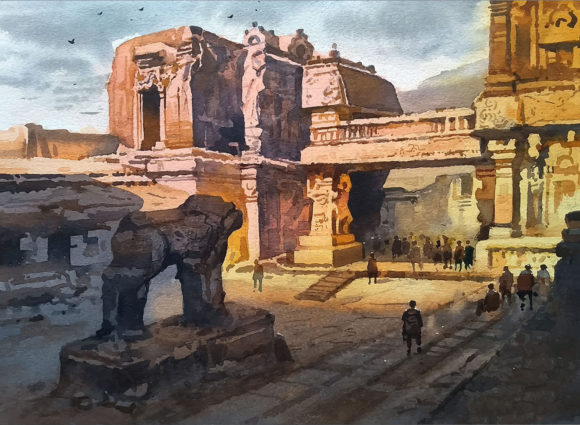
Watercolor Hand Drawn Industrialized for Illustrations
As a brand designer who has spent the last decade helping local entrepreneurs find their visual voice, I approach every new graphic design asset with a critical eye. It is not enough for an image to be pretty; it must work hard on a physical shelf and perform equally well on a digital screen. Recently, I evaluated the Watercolor Hand Drawn Industrialized collection for a potential rebranding project involving a local artisanal soap and candle maker. My goal was to determine if these Illustrations could bridge the gap between rustic handmade charm and modern market appeal.
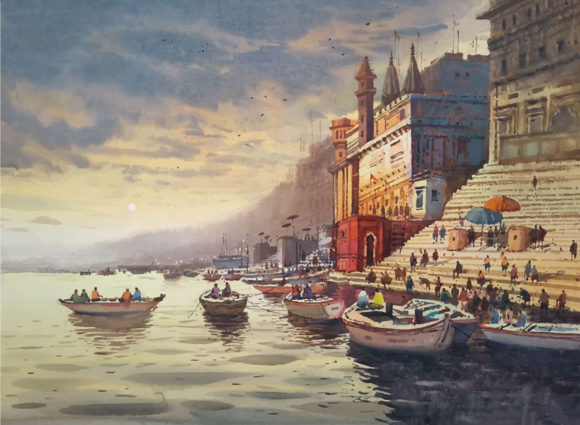
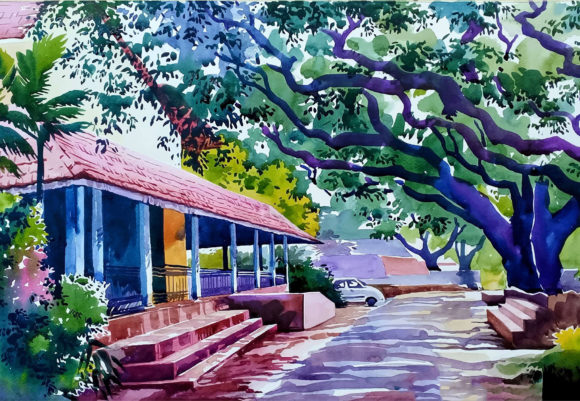
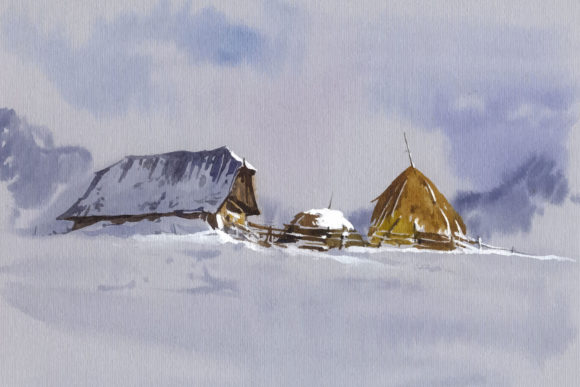
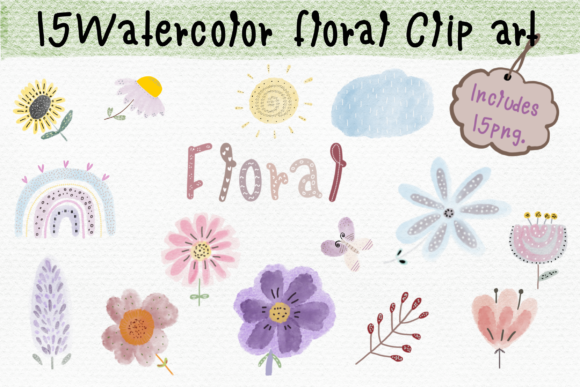
Upon first inspection, the mood created by this collection is surprisingly nuanced. The term "industrialized" might suggest something cold or mechanical, but the execution here leans heavily into a curated, urban-craft aesthetic. The watercolor textures provide a soft, organic feel that suggests freshness and natural ingredients, while the hand-drawn lines add a layer of human touch essential for small business branding. This duality makes it perfect for businesses that want to appear established and professional without losing the soul of a handmade business. It feels premium yet accessible, striking a balance that is often difficult to achieve in local business markets.
Transforming Product Packaging and Labels
The primary test for any design asset in my workflow is its application on physical products. For our hypothetical candle brand, the Watercolor Hand Drawn Industrialized elements shine brightest on product label designs. The fluidity of the watercolor washes works exceptionally well as a background accent or a framing device for typography. When applied to a kraft paper label or a clear vinyl sticker, the texture adds depth that flat vector graphics often lack.
I envision using these Illustrations to create a cohesive brand identity across various touchpoints. Beyond the main label, these assets are ideal for hang tags, thank-you cards included in shipping boxes, and even the seals used to close packaging. For a food business, such as a boutique bakery or a small-batch jam producer, these graphics could serve as the hero image on a jar lid or a decorative border on a menu. The versatility allows for a consistent look from the moment a customer sees the product on the shelf to the unboxing experience at home.
Elevating Marketing Visuals and Social Media
In the digital realm, consistency is key to building trust. The Watercolor Hand Drawn Industrialized set provides ample material for social media graphics and marketing visuals. I found that the assets translate beautifully into Instagram stories, Pinterest pins, and Facebook ad creatives. Because the style is distinct, it helps improve product recognition; customers will begin to associate that specific watercolor texture with the brand's quality.
For web design and online stores, these elements can be used as section dividers, banner backgrounds, or icons to break up text-heavy pages. They add a layer of editorial design sophistication to a simple Shopify or Squarespace template. Furthermore, when creating seasonal campaign visuals for holidays like Christmas or Mother's Day, the hand-drawn nature of the art allows for easy color manipulation to fit festive themes without losing the core brand identity.
Strategic Placement and Visual Hierarchy
While the aesthetic appeal is high, a professional designer must also consider where these assets should be used carefully. The organic, slightly irregular edges of watercolor can sometimes compete with small text. Therefore, I advise against placing these Illustrations directly behind ingredient lists, legal disclaimers, or dense paragraphs of information. In packaging design, clarity is paramount for compliance and readability.
Additionally, for brands aiming for a ultra-luxury minimalist look—think stark black and white with heavy sans-serif fonts—this style might feel too decorative or "busy." It works best when the brand personality is warm, inviting, and story-driven. If you are designing for a formal corporate entity or a tech startup, the Watercolor Hand Drawn Industrialized style may not convey the necessary authority. It is crucial to maintain a clear visual hierarchy; let the artwork support the message, not overpower it.
Practical Notes for Designers and Business Owners
Before integrating this graphic design asset into a client project or your own commercial design work, there are several practical steps to take. First, always test the files on real product mockup templates. What looks vibrant on a backlit monitor may print differently on matte or glossy stock. Check the resolution of the PNG design files to ensure they remain crisp when scaled up for large posters or banners.
If the package includes SVG design or vector files, inspect the editability. Can you easily change the hue to match your specific brand colors? Can you separate the watercolor wash from the line work? These factors determine how flexible the asset will be in the long run. I also recommend testing the graphics alongside different typography styles. While they pair naturally with script and handwritten fonts, do not overlook the contrast created by pairing them with bold serif or clean sans-serif fonts for a more modern edge.
Finally, and perhaps most importantly, verify the commercial license. Whether you are purchasing from a creative marketplace or downloading a freebie, ensure you have the rights to use the clipart or illustration for physical product sales and unlimited client projects. Many licenses restrict the number of items sold or require attribution, which can complicate professional branding efforts.
In conclusion, the Watercolor Hand Drawn Industrialized collection offers a robust toolkit for boutique owners, food businesses, and creative entrepreneurs looking to elevate their visual presence. When used with intention and strategic foresight, these Illustrations can transform a generic product into a beloved brand, fostering a stronger emotional connection with customers and driving loyalty in a crowded marketplace.