Review: Watercolor Cliparts of Forest Moss, Herb for Embroidery
As a designer who spends more time staring at stitch maps than most people care to admit, I approach new Illustrations with a specific set of questions. It is not just about whether an image looks pretty on a screen; it is about how that image translates into thread, how it sits on fabric, and whether it will hold up when a customer wears it or washes it. Recently, I evaluated the Watercolor Cliparts of Forest Moss, Herb collection with the intent of using it for a line of boutique botanical home goods. My goal was to determine if these assets could transition from digital files to tangible, high-quality handmade products without losing their charm.
The Aesthetic Appeal and Design Personality
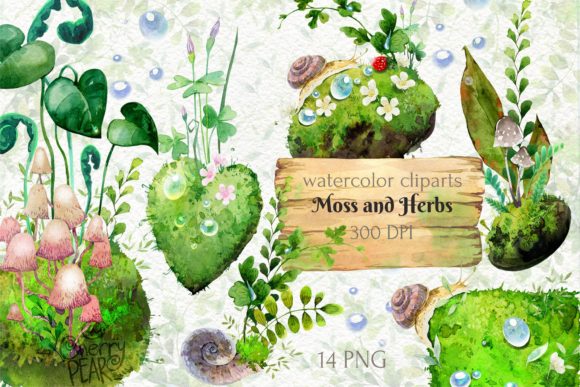
My first impression of the Watercolor Cliparts of Forest Moss, Herb was one of softness and organic movement. Unlike rigid vector graphics often found in standard clip art libraries, these designs carry a fluidity that mimics real paint on paper. The mood is earthy, calm, and slightly whimsical, making them perfect for projects that aim to evoke a connection to nature. For an embroidery project, this aesthetic is a double-edged sword. The beauty lies in the subtle gradients and irregular edges, but translating that "watercolor" feel into thread requires careful planning.
The shapes are generally loose and flowing, which suggests that a heavy reliance on dense fill stitch might kill the delicate vibe. Instead, these designs beg for a mix of techniques. I envision using lighter density fills combined with strategic running stitch outlines to maintain that hand-painted look. The theme of forest moss and herbs naturally lends itself to spa towels, linen napkins, and organic cotton tote bags. It feels less like a logo and more like an artistic accent, which elevates the perceived value of the finished product.
Real-World Application: The Botanical Tote Bag Scenario
To truly test the viability of these assets, I imagined a specific real-life scenario: creating a limited run of custom tote bag designs for a local farmer's market. The client wanted something that felt artisanal, not mass-produced. The Watercolor Cliparts of Forest Moss, Herb seemed ideal for this. I pictured a cluster of herbs stitched onto the corner of a natural canvas bag, perhaps accompanied by a small, handwritten-style text element.
In this context, the design performs exceptionally well because it doesn't demand perfection. The organic nature of the watercolor style forgives minor stitching inconsistencies that might look glaring in a geometric design. However, the challenge arises in color selection. To replicate the watercolor effect, one cannot simply use solid blocks of green. You need to layer thread colors, perhaps blending a sage green with a darker forest green and even a touch of grey-blue to create depth. This approach turns a simple embroidery file into a complex, textured piece of art that customers are willing to pay a premium for.
If I were to pivot this design for sweatshirt embroidery, the same principles apply. A oversized hoodie with a small, detailed herb cluster on the chest pocket area would look incredibly chic. The softness of the design complements the fuzzy texture of fleece or French terry cloth better than a sharp, corporate logo would. It signals to the buyer that this is a personalized gift or a boutique item, rather than generic merchandise.
Technical Considerations and Fabric Compatibility
While the artistic potential is high, we must discuss the technical realities of digitizing and stitching these illustrations. The Watercolor Cliparts of Forest Moss, Herb contain fine details that can easily get lost if not handled correctly. When working with textured fabrics like waffle weave towels or thick denim, the tiny details of the moss texture might disappear into the fabric grain. In these cases, I recommend simplifying the design or increasing the scale slightly to ensure clarity.
Another critical factor is the stitch density. Watercolor effects often rely on transparency and lightness. If you digitize this as a standard machine embroidery design with high density, you risk creating a stiff, plastic-like patch that ruins the drape of the fabric. This is particularly important for baby embroidery projects, where softness against the skin is non-negotiable. For baby onesies or blankets, I would advise using a lighter fill or even considering an applique design approach where the fabric provides the color and the stitching merely secures the shape.
Curved surfaces present another hurdle. If you plan to use these herbs on a cap or a structured hat, be wary of the layout. The wide, spreading nature of some moss illustrations might not conform well to the front panel of a baseball cap without distortion. In such cases, isolating a single herb stem or a smaller cluster is a smarter move than attempting to stitch the entire composition.
Navigating Dark Fabrics and Stabilizers
One of the trickiest aspects of using light, airy designs like these is placement on dark fabrics. The Watercolor Cliparts of Forest Moss, Herb typically feature light greens and earth tones. On a black or navy garment, these colors can look washed out unless you plan your underlay carefully. A white or light grey underlay is essential to make the top threads pop, but this adds bulk. You must balance the need for contrast with the desire to keep the design soft.
Furthermore, the choice of stabilizer can make or break the project. For stretchy fabrics like t-shirts, a cut-away stabilizer is usually best to prevent the design from puckering over time. However, for a crisp linen tea towel, a tear-away might suffice. Always test the design on a scrap piece of your actual production fabric first. Do not skip this step. What looks good on a smooth quilting cotton might behave very differently on a slubbed linen or a stretchy jersey knit.
Commercial Viability and Brand Consistency
For Etsy sellers and owners of small shop products, consistency is key to building a recognizable brand. The Watercolor Cliparts of Forest Moss, Herb offer a cohesive visual language that can tie together a whole collection. Whether you are making aprons, pillow covers, or holiday ornaments, using this consistent botanical theme helps customers instantly recognize your work. It builds trust and professionalism.
From a commercial standpoint, these designs add significant value. They transform a plain $5 tote bag into a $25 artisanal accessory. The perceived effort and artistic merit of the watercolor style justify a higher price point. However, before listing items for sale, you must verify the licensing terms associated with the digital embroidery file or the source illustration. Ensure that your intended use—whether for physical goods or printable mockups—is covered. Never assume; always check the license to protect your craft business.
Final Verdict and Designer Notes
In conclusion, the Watercolor Cliparts of Forest Moss, Herb are a versatile and evocative resource for the modern embroiderer. They excel in creating mood and atmosphere, making them ideal for lifestyle brands, wedding gifts, and home decor. However, they demand respect for the medium. You cannot simply drop the file into your machine and expect magic. Success requires thoughtful digitization, careful thread selection, and rigorous testing.
Here are my final practical notes for anyone ready to start stitching:
- Test First: Always stitch a sample on scrap fabric identical to your final material to check for puckering or detail loss.
- Check Contrast: View your design in black and white to ensure the values separate clearly, especially on dark fabrics.
- Mind the Density: Keep stitch density low to preserve the watercolor feel and fabric drape.
- Verify Hoop Size: Ensure the design fits your available hoop sizes without needing excessive re-hooping, which can cause alignment issues.
- Inspect Details: Zoom in on tiny leaf tips or moss fringes; these may need manual editing to stitch cleanly.
- Confirm Licensing: Double-check usage rights for commercial sales before launching your product line.
When used with intention and technical skill, these illustrations can become the cornerstone of a beautiful, profitable, and deeply satisfying embroidery project. They remind us that even in a digital age, there is immense power in designs that feel human, organic, and alive.