Review: Watercolor White Lily Flower Painting for Embroidery
As a designer who spends more time staring at stitch previews than actual fabric, I approach every new machine embroidery design with a healthy dose of skepticism. We have all been there: a digital mockup looks stunning on the screen, promising soft gradients and artistic flair, only to turn into a puckered mess of thread breaks and lost details once the needle hits the cloth. That is why I took a close look at the Watercolor White Lily Flower Painting before committing it to any client project. This isn't just about whether it looks pretty; it is about whether it holds up as a viable asset for a craft business or a high-end handmade product.
The Aesthetic: Capturing Softness in Thread
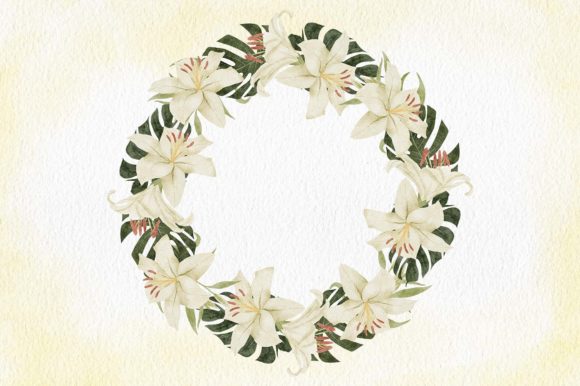
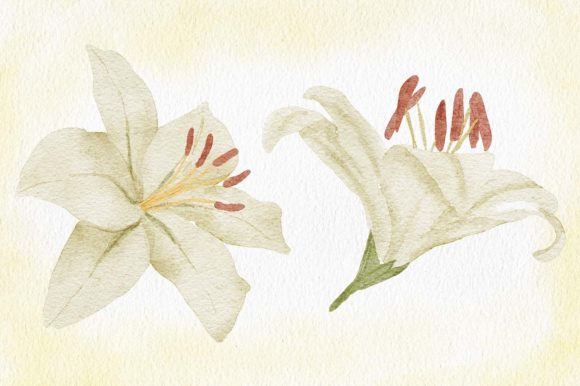
The first thing that strikes you about this design is its mood. Lilies are often associated with purity and renewal, and this specific illustration leans heavily into that ethereal quality. Unlike bold, blocky logos meant for workwear, this piece feels delicate. It attempts to translate the fluid nature of watercolor paint into the rigid structure of an embroidery file.
In terms of layout, the composition is organic. It doesn't feel boxed in or overly symmetrical, which gives it a natural, hand-drawn personality. For an Etsy seller looking to differentiate their small shop product from the sea of generic floral motifs, this visual personality is a strong starting point. The lack of heavy black outlines allows the thread colors to do the heavy lifting, relying on the interplay of whites, creams, and subtle greens to create depth. However, this reliance on tone-on-tone shading is where the real test begins.
Real-World Application: The Tote Bag Test
To truly evaluate this design, I imagined a specific scenario: a custom order for a boutique florist needing branded tote bag design elements for their spring collection. The client wanted something that felt artisanal, not industrial. The Watercolor White Lily Flower Painting seemed perfect on paper.
When translating this to a physical embroidery project, the choice of fabric becomes critical. On a sturdy cotton canvas tote, the design has enough surface stability to support the necessary stitch density. The fill stitch areas, which likely mimic the washes of watercolor, need to be dense enough to cover the fabric but light enough to prevent the material from warping. If executed correctly with a high-quality cut-away stabilizer, the finished product would exude a sense of luxury. It elevates a simple bag into a piece of wearable art, potentially justifying a higher price point for the retailer.
However, if you are considering this for sweatshirt embroidery on a fleece blend, caution is required. The texture of fleece can swallow fine details. The softer edges that make this design look like a painting might get lost in the nap of the fabric, turning distinct petals into a fuzzy blob. For apparel, this design shines brightest on smoother surfaces like twill caps (with careful hooping), aprons, or structured pillow covers where the fabric texture works with the stitches rather than against them.
Technical Considerations for the Maker
Let's talk about the mechanics. Because this design falls under the category of Illustrations, it likely utilizes a mix of satin stitch for the stems and finer details, and varied fill stitch patterns for the petals. When reviewing the digital embroidery file prior to stitching, pay close attention to the transition points between color blocks. In watercolor styles, these transitions are often gradual. In embroidery, they are distinct steps.
If you are using this for baby embroidery on a onesie, you must verify the hoop size and the total stitch count. A design this detailed might be too large or too dense for stretchy knit fabrics without significant stabilization. Furthermore, small details like the stamen of the lily or the tip of a leaf could become problematic if the design is resized too small. Always test the design on scrap fabric identical to your final material. Check if the running stitch outlines hold firm or if they pull away after washing.
Another crucial factor is contrast. Since this is a white lily, stitching it onto a dark garment requires a thoughtful underlay or perhaps a slight adjustment in the thread palette to ensure the flower doesn't disappear into the background. A pure white thread on black fabric can sometimes look harsh and cartoonish, defeating the "watercolor" intent. You might need to introduce very pale grays or blues to maintain that soft, painted illusion.
Commercial Viability and Brand Consistency
For commercial embroidery projects, consistency is key. If you plan to sell this as a personalized gift or part of a larger collection, you need to know how reproducible it is. Does the design rely on complex thread blends that are hard to source? Are the color changes so frequent that they slow down production time significantly?
The value of the Watercolor White Lily Flower Painting lies in its ability to convey emotion. A customer buying a holiday embroidery item or a wedding gift is often buying a feeling. This design offers a sophisticated, gentle aesthetic that appeals to buyers looking for elegance rather than flashiness. It builds customer trust because it looks intentional and curated. However, this only works if the finished product is flawless. Poor tension or visible backing peeking through the light-colored fills will instantly cheapen the perceived value.
Final Verdict and Designer Notes
Before adding this to your library of design assets, here is my practical advice:
- Test First: Never run this on a final garment without a trial. Stitch it on a scrap piece to check for puckering.
- Check Licensing: Confirm the license terms. Just because you bought the embroidery file doesn't automatically mean you can resell the digital file itself. Usually, you can sell the physical handmade product, but verify this to protect your craft business.
- Stabilizer Matters: For light-colored designs on dark fabric, use a no-show mesh or a topping if the fabric texture is aggressive.
- Mockups: Create printable mockup images showing the design on various backgrounds to help customers visualize the end result before they buy.
- Detail Inspection: Zoom in on the digital preview. If the tiny details look like single stitches, they may not survive repeated washing.
The Watercolor White Lily Flower Painting is a beautiful candidate for projects that demand a touch of class. It fits naturally into niches like bridal showers, spring decor, and boutique branding. While it requires a skilled hand and the right materials to execute properly, the payoff is a custom apparel item or home good that feels truly special. It bridges the gap between digital art and tactile craft, provided you respect the limitations of the medium. Treat it with the care it deserves, and it will become a staple in your portfolio.