Review: Watercolor White Lily Flower Wreath for Embroidery
As a designer who spends more time staring at stitch maps than most people spend looking at their phones, I approach every new machine embroidery design with a mix of excitement and skepticism. We have all bought a beautiful digital embroidery file only to find out that what looked like a dreamy watercolor wash on the screen turns into a muddy, puckered mess on fabric. That is why I took a close look at the Watercolor White Lily Flower Wreath before committing it to any client projects or personal handmade goods. This isn't just about whether it looks pretty; it is about whether it holds up under the needle and delivers value to the end user.
The First Impression: Mood and Layout
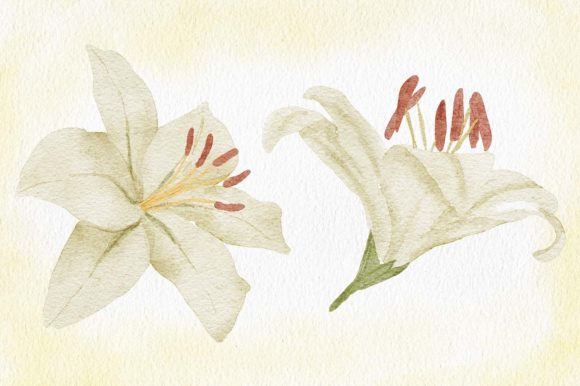
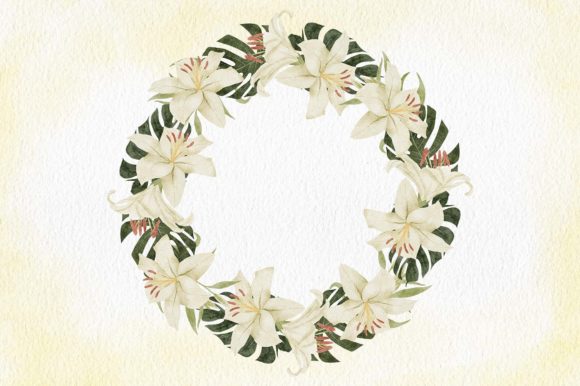
When I first pulled up the preview for the Watercolor White Lily Flower Wreath, the immediate takeaway was its gentle, ethereal quality. Unlike bold, graphic logos that scream for attention, this piece whispers. It falls squarely into the Illustrations category, aiming to replicate the soft bleed of watercolor paints through thread. The layout is a classic circular wreath, which is always a safe bet for versatility, but the internal composition relies heavily on the interplay between the white lilies and the surrounding greenery.
The visual personality here is distinctly romantic and serene. It feels appropriate for spring collections, wedding suites, or nursery decor. However, from a technical standpoint, my eyes went straight to the transition areas. In watercolor-style designs, the challenge is always achieving those soft gradients without excessive stitch count that leads to stiffness. The design appears to use a clever mix of fill stitch variations and lighter density areas to mimic that painted look. If executed correctly, this creates a finished product that feels high-end rather than industrial.
Real-World Application: The Tote Bag Test
To truly evaluate this design, I imagined a specific real-life scenario: a custom order for a boutique florist needing branded tote bag design assets for their spring market. They wanted something that looked artistic but could withstand the rigors of carrying heavy bouquets. The Watercolor White Lily Flower Wreath seemed perfect for this application on a natural canvas tote.
On a medium-weight canvas, the softer edges of the lilies would shine. The lack of harsh outlines allows the texture of the fabric to peek through slightly, enhancing that "hand-painted" illusion. For an Etsy seller or small shop product line, this kind of subtlety increases perceived value. Customers are often willing to pay a premium for items that look like art rather than standard promotional merchandise. If I were stitching this for a personalized gift, such as a bridal party robe or a baby shower blanket, the gentle aesthetic fits the emotional tone perfectly.
However, placement is key. On a tote bag, centering the wreath low on the panel works best to avoid distortion near the handles. For sweatshirt embroidery, I would recommend placing it slightly off-center on the chest or large on the back, ensuring the hoop alignment accounts for the garment's seams.
Technical Considerations and Fabric Challenges
While the design is stunning, it demands respect regarding fabric choice. This is not a design you can blindly throw onto any material. Because the Watercolor White Lily Flower Wreath relies on subtle tonal shifts, using it on a textured fabric like a heavy waffle weave or a fuzzy fleece could obscure the delicate details. The fabric texture needs to be smooth enough to let the stitch definition pop.
I would also exercise caution with dark fabrics. Since the primary subject is a white lily, stitching this directly onto black or navy fabric requires careful planning. You would likely need an underlay or even a small appliqué base to prevent the dark background from muting the whites. Without proper contrast, the thread colors meant to represent the petals might disappear, leaving you with a ghostly outline that lacks impact. Always test your thread color chart against your specific fabric swatch before running the full job.
Another critical factor is stitch density. Watercolor effects can sometimes tempt digitizers to over-fill areas to create smooth blends. If the density is too high, the design becomes stiff and may cause puckering, especially on stretchy knits used for baby embroidery or t-shirts. Before stitching a final finished product, run a test on scrap fabric identical to your project material. Check the back of the hoop as well; excessive buildup there can irritate the skin if the item is wearable.
Navigating Tricky Surfaces
If you plan to use this on curved surfaces like caps or visors, be aware that the circular nature of the wreath can distort easily if the hooping tension isn't perfect. The detailed corners of the leaves and the tips of the lily petals are vulnerable areas. On a structured cap, ensure your stabilizer choice is robust enough to hold these fine points without them sinking into the fabric pile. For embroidered patch creation, this design would need a dense merrow border or a laser-cut edge to contain the soft outer elements of the wreath effectively.
Commercial Viability and Brand Consistency
For commercial embroidery professionals and craft business owners, consistency is currency. The Watercolor White Lily Flower Wreath offers a strong brand asset because it is recognizable yet adaptable. It works well for holiday embroidery (think Easter or Mother's Day) but transitions smoothly into year-round home decor like pillow covers or tea towels.
When creating printable mockup files for your online store, this design photographs beautifully because it avoids the harsh glare that satin-heavy designs sometimes produce. The matte finish of the fill stitches mimics paper, making your digital previews look incredibly realistic. This boosts buyer engagement and trust, as customers feel they know exactly what they are getting.
However, a word of warning regarding licensing: always verify the terms attached to the embroidery file. Just because a design is labeled for commercial use doesn't mean you can resell the digital file itself. Most licenses allow you to sell the handmade product (the stitched shirt, the towel, the patch) but prohibit sharing the source file. Confirm these details to protect your small business from legal issues.
Final Designer Notes
Before you commit to a production run of fifty units, take these practical steps:
- Test on Scrap: Never skip the stitch-out on the actual fabric you intend to use.
- Check Contrast: View your test stitch-out in black and white to ensure the values separate clearly.
- Review Density: Feel the back of the design; if it feels like cardboard, consider reducing density or changing stabilizer.
- Verify Hoop Size: Ensure the wreath fits comfortably within your hoop without touching the edges, allowing for proper framing.
- Inspect Details: Look closely at the tiny leaf tips and petal curves for any thread breaks or bird nests.
The Watercolor White Lily Flower Wreath is a sophisticated choice for designers who understand how to match a design's personality with the right materials. It is not a "set it and forget it" file, but when treated with the care it deserves, it yields a finished product that feels luxurious and thoughtfully crafted. Whether you are decorating custom apparel or creating heirloom gifts, this design has the potential to elevate your work from simple stitching to wearable art.